
Published October 27, 2026
Teletherapy Therapy in Long Island NY: 2026 Guide for Sunset Park, Brooklyn Residents
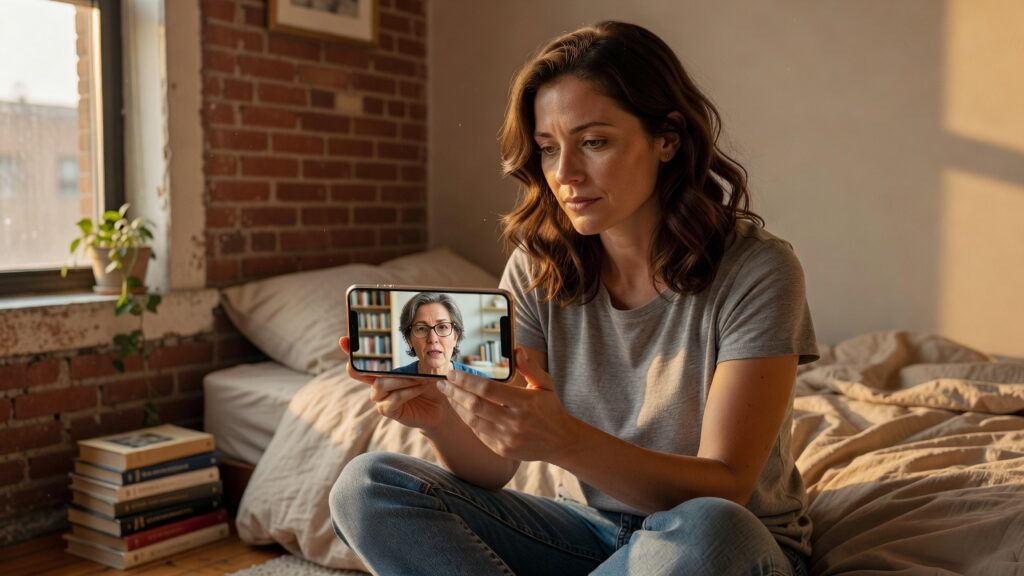
Teletherapy therapy in Long Island NY, and throughout New York City neighborhoods like Sunset Park, Brooklyn, means attending licensed mental health sessions by video or phone instead of traveling to an office. Sessions typically last 45 to 60 minutes, billing runs through Medicaid or private insurance, and most people are matched with a therapist within one to two weeks. The sooner you start, the sooner symptoms stop compounding.
Before getting into the detail, here’s a quick checklist of what this article covers:
- What teletherapy actually is, in plain English
- How a session works from your first call to your 10th appointment
- Why Medicaid covers it in New York, and what that means for Sunset Park residents specifically
- Four misconceptions that stop people from trying it
- What happens when you keep waiting
- A real-world scenario from this neighborhood
- Your next steps
What Teletherapy Actually Is
Teletherapy is licensed mental health care delivered over a secure video call or phone line. The therapist on the other end holds the same credentials, follows the same ethical codes, and uses the same evidence-based methods as a therapist you’d visit in person. The only difference is that you don’t commute.
It is not a chatbot. It is not a wellness app. A real licensed clinician listens, responds, and builds a treatment relationship with you over time. Modalities like Cognitive Behavioral Therapy, Dialectical Behavior Therapy, and trauma-informed care are all deliverable by video. The American Psychiatric Association reports that 75% of people with mental illness do not seek treatment, and one of the most cited reasons is the practical barrier of getting to an office. Teletherapy removes that barrier without reducing the quality of care.
How Teletherapy Works, Step by Step
The process is shorter than most people expect.
Step one: intake call. You contact a provider, answer a few questions about your symptoms, insurance, and availability, and a coordinator identifies a licensed therapist who matches your needs and speaks your preferred language. In Sunset Park, Brooklyn, where Spanish, Cantonese, and Fujianese are widely spoken, language matching matters and reputable providers factor it in.
Step two: scheduling. You pick a time slot that works around your schedule, whether that’s early morning before the N train gets crowded or late evening after work at Industry City. Sessions are typically 45 to 55 minutes.
Step three: the session itself. You join from a smartphone, tablet, or laptop. The platform is encrypted and HIPAA-compliant. You do not need to download specialized software in most cases. Your therapist opens the session, you talk, and the therapist uses structured techniques to help you work through what you’re carrying.
Step four: continuity. Weekly or biweekly sessions build on each other. Progress is documented. Goals are adjusted. Between sessions, your therapist may assign brief exercises, like a thought journal or a breathing practice, that take five to ten minutes a day.
Billing and Medicaid: New York State Medicaid covers outpatient mental health services including telehealth therapy sessions, according to state policy. New York State expanded Medicaid telehealth coverage permanently following the COVID-19 pandemic, which means the temporary pandemic-era rules are now the permanent law. If you’re enrolled in Medicaid, confirm with your specific plan that telehealth mental health visits are included, because managed care plans can vary in their specific provider networks.
A Scenario from Sunset Park
Consider someone in their late 30s living near 5th Avenue and 45th Street in Sunset Park. She works a split shift, picks up two kids from PS 314, and hasn’t had a primary care visit in over a year. She’s been waking at 3 a.m. most nights, losing patience with her kids over small things, and feeling a flat, joyless quality to her days that she chalks up to tiredness.
She looked into in-person therapy twice and stopped both times: once because the office was too far on a weeknight, once because the waitlist was three months long. A neighbor mentioned teletherapy. She called a provider on a Tuesday, completed intake questions in about 20 minutes, and had her first video session the following Thursday evening after the kids were in bed, using her phone in her bedroom with the door closed.
Six weeks later she described sleeping through the night more often than not. Nothing about her circumstances had changed. What changed was that she had a weekly 50-minute space where a licensed therapist helped her identify the thought patterns keeping her wired at 3 a.m. and work on them systematically.
This scenario is anonymized and representative, not a specific client record. We share it because the barriers this person faced, shift work, childcare, geography, are common in Sunset Park and Brooklyn broadly, and teletherapy addresses all three at once.
Why Waiting Costs More Than Starting
Untreated mental health conditions do not stay static. SAMHSA data shows only 46.2% of U.S. adults with mental illness received treatment in 2022, meaning the majority are managing symptoms without professional support. Over time, unmanaged anxiety and depression affect work performance, physical health, and relationships in measurable ways.
The CDC reports depression affects more than 21 million American adults annually. Left untreated, depressive episodes tend to lengthen and recur more frequently. Early intervention, by contrast, shortens episode duration and reduces the likelihood of a second episode.
In practical terms: every month you wait is a month of disrupted sleep, strained relationships, and reduced capacity at work that a structured course of therapy could have shortened. The access barrier that teletherapy removes, the commute, the waitlist, the scheduling conflict, is often the only reason people wait.
Four Misconceptions Worth Correcting
“Video therapy isn’t as effective as in-person.” Multiple peer-reviewed studies, including research published in journals affiliated with the American Psychological Association, have found that videoconference therapy produces outcomes comparable to face-to-face sessions for depression, anxiety, and PTSD. The therapeutic relationship, which is the primary driver of outcomes, transfers to video.
“I need a computer.” A smartphone with a data plan is sufficient. If you’re in Sunset Park and have public Wi-Fi access at a branch of the Brooklyn Public Library on 4th Avenue, that works too, though a private space is strongly preferable for confidentiality.
“Medicaid won’t cover it.” New York State policy explicitly covers telehealth mental health sessions under Medicaid. Verify your specific managed care plan, but the coverage framework is in place statewide as of 2026.
“I’m not sick enough to need therapy.” Therapy is not reserved for psychiatric crises. It works for everyday stress, grief, relationship difficulty, life transitions, and subclinical anxiety. SAMHSA’s 2022 National Survey found that approximately 22.8% of U.S. adults experienced mental illness in the past year; that includes the full spectrum from mild to severe.
Resources That Support the Whole Picture
Mental health and basic needs are connected. If cost barriers extend beyond therapy, Free Food With Medicaid provides guidance on food benefits available to Medicaid enrollees in New York. For communications, outreach, or media services related to mental health access, Chauncey Agency supports organizations in this space.
The New York State Office of Mental Health maintains a provider directory at omh.ny.gov, which can help you verify licensed telehealth providers operating under New York Medicaid. That is the primary official source to confirm current coverage rules and licensed provider listings.
Take Your First Step Toward Online Mental Health Support
Starting teletherapy in Sunset Park, Brooklyn does not require leaving your block, taking time off work, or spending money you don’t have if you’re on Medicaid. It requires a phone, a private space, and a willingness to show up for a 50-minute appointment.
The practical path forward: confirm your Medicaid plan covers telehealth mental health visits, then contact a licensed New York State telehealth provider about scheduling an intake. Questions about language preference, session frequency, and what kind of therapy you’re interested in are all appropriate to ask before your first session.
You can also call 988, the national mental health crisis and support line, if you need guidance before you’re ready to book a formal intake.
Frequently Asked Questions
Does New York Medicaid cover teletherapy sessions with a licensed therapist in 2026?
Yes. New York State Medicaid covers outpatient mental health services including telehealth therapy sessions, and that coverage was made permanent after the COVID-19 pandemic. The specific details, such as which therapists are in-network, depend on your managed care plan. Calling your plan’s member services number or checking the New York State Office of Mental Health directory at omh.ny.gov will confirm what’s available to you.
Can I do teletherapy from a small apartment in Sunset Park if I don’t have a private room?
Yes, with some planning. A bathroom with the door closed, a parked car, or a quiet time of day when other household members are out or asleep are all options people use. Therapists are accustomed to clients in close-quarters living situations and will work with you on confidentiality logistics during the intake call. The Brooklyn Public Library on 4th Avenue also has study rooms you can reserve, though you should confirm their policy on private calls before booking.
How long before teletherapy actually starts working?
Most people notice some benefit within four to six sessions, though this varies based on presenting concerns and the specific therapeutic approach. Anxiety symptoms often respond faster to structured techniques like CBT than longer-standing depressive patterns do. Your therapist will set measurable goals at the start and revisit them regularly so you have a clear sense of progress rather than just an open-ended talking relationship.
Related: Telehealth Medicaid Therapy Services — learn how virtual sessions are covered under New York Medicaid.
Related from Medicaid Therapy Online: Anxiety Therapy via Video for Astoria, Queens Residents · Therapy Through Medicaid